
Where the Road Leads: My Journey into the Heart of the Urals
You never know where the road will take you.
When I was just a boy, running wild with my friends on an abandoned patch of land — waist-high weeds, old trenches, scattered concrete blocks and builders’ rubble — my mind was filled with bold expectations. Children differ from us adults in their courage and the unshakeable certainty of their plans. They are not afraid to dream, and every idea that comes to them feels like a fact of the future, something that will simply happen.
We dreamed of many things. But it never once crossed my mind that I would one day end up in the Urals. Still less could I have imagined that this harsh land would become my second home.
From books, school history lessons and films, I had pieced together the vaguest picture of the region. The backbone of Russia, the state’s industrial heartland, a centre of heavy engineering — these were images imported from outside, solid but flat. Words that lodged themselves in my head but stirred nothing in my heart.
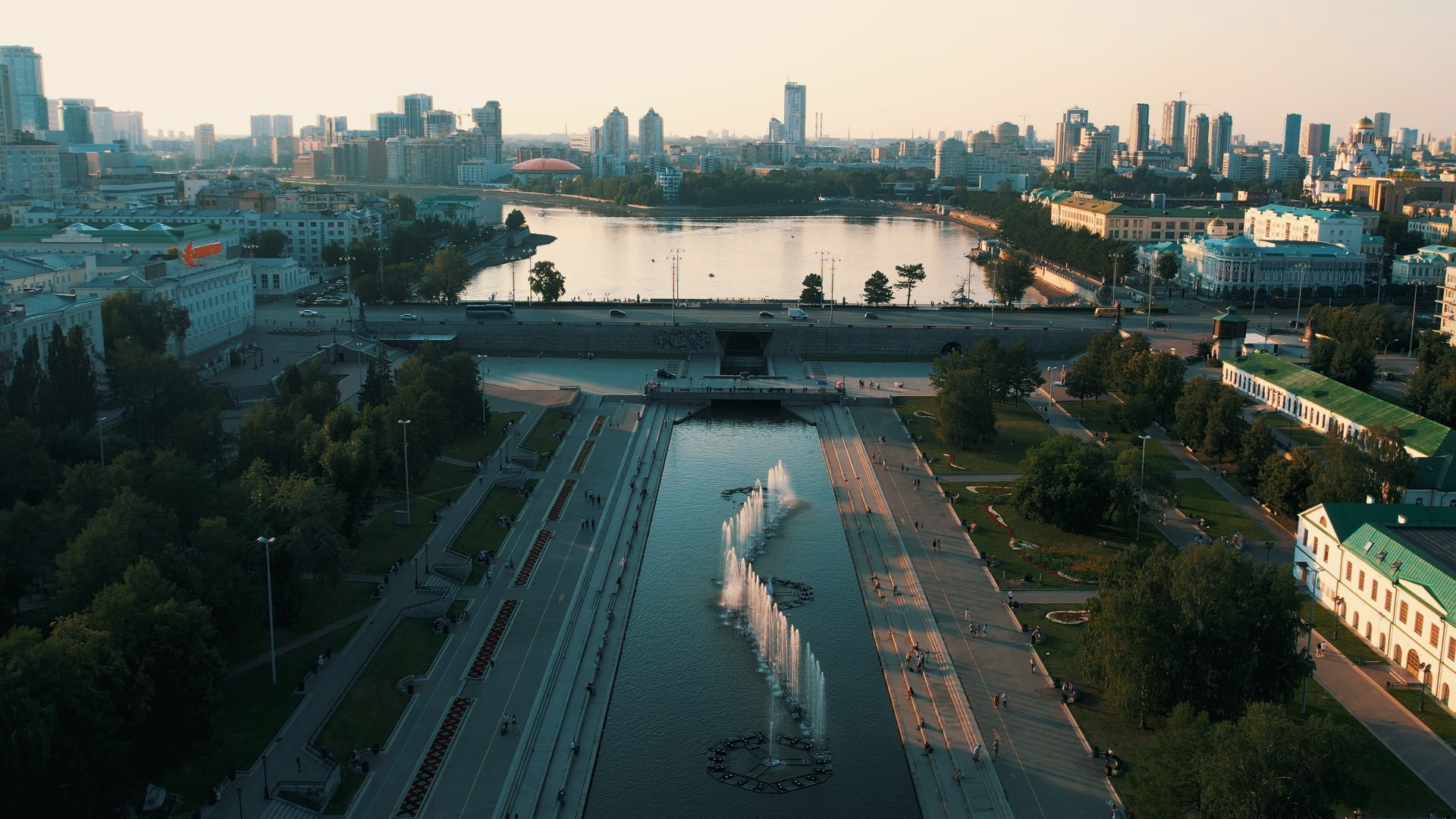
My first encounter with the Urals came back in 2002. The meeting was fleeting, like a drowsy summer haze that vanishes at the slightest breath of wind. Later, I passed through the region a few more times, mainly to Chelyabinsk, which left me with mixed feelings. Life, it seems, was quietly preparing me for a much larger encounter, though I had no idea at the time.
I moved to Yekaterinburg in 2015 for work. The decision was hard: alongside my own doubts, I had to overcome resistance from people close to me. And so my slow immersion into the Urals began.
The separation from home, from familiar surroundings, friends and family, sharpened my senses. I absorbed the reality around me thirstily — the people, the customs, the rhythms of daily life. Language was my first discovery. Russia doesn’t have strong dialects in the textbook sense, but it does have distinct regional speech. People in different parts of the country shift their stress or alter word endings in ways that mark them out. But here in the Urals I realised, for the first time, that identical words could carry entirely different meanings, leading to moments of comic or disorienting misunderstanding. I had to learn to speak Russian all over again. At first the locals could pick me out as an outsider by some elusive overtone in my speech.
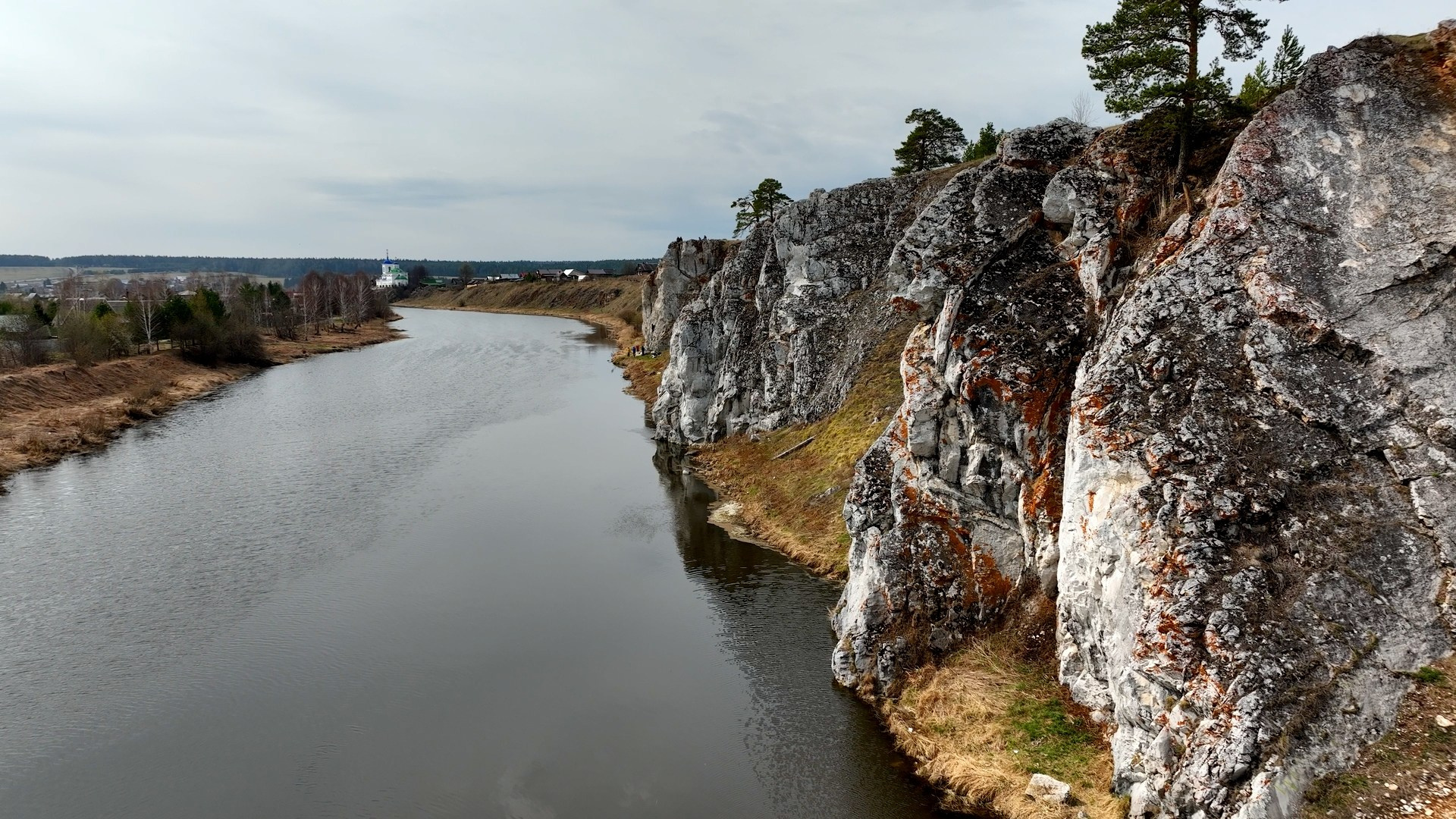
People were the other revelation. They are special here. My first impression: scrupulously correct, polite, but extremely reserved. They did not seek contact, were sparing with emotion. At times I found them distant, even cold — like the stone that forms the Ural Mountains. Only later did I understand why. They are watching you, testing you. And if you pass that wordless test, they open up. That is when you realise that the people here are truly exceptional. Dependable as that very stone. It will not warm you on a cold night; it can be hard, uncomfortable and extremely difficult to work. But it gives you a point of support. It becomes the foundation on which you can build whatever you wish — and build it to last for centuries.
My first years in Yekaterinburg were filled with an ache for home. I come from Tolyatti, a large city in the Samara region, set on the banks of the great Volga River. Mild winters, a hot, generous summer, fertile soil, an explosion of greenery, and the river itself — boundless, alive… By contrast, the nature of the Urals seemed poor to me. The rivers felt shallow, the land incapable of producing anything useful. Endless tracts of coniferous forest, a painfully short flowering season, and weather so changeable it could surprise you several times in a single day. The wind tormented me most of all. It cut to the bone, even on sweltering afternoons, reminding me mercilessly where I was. Rain that could drag on for weeks, grey skies, a summer that never truly warmed.
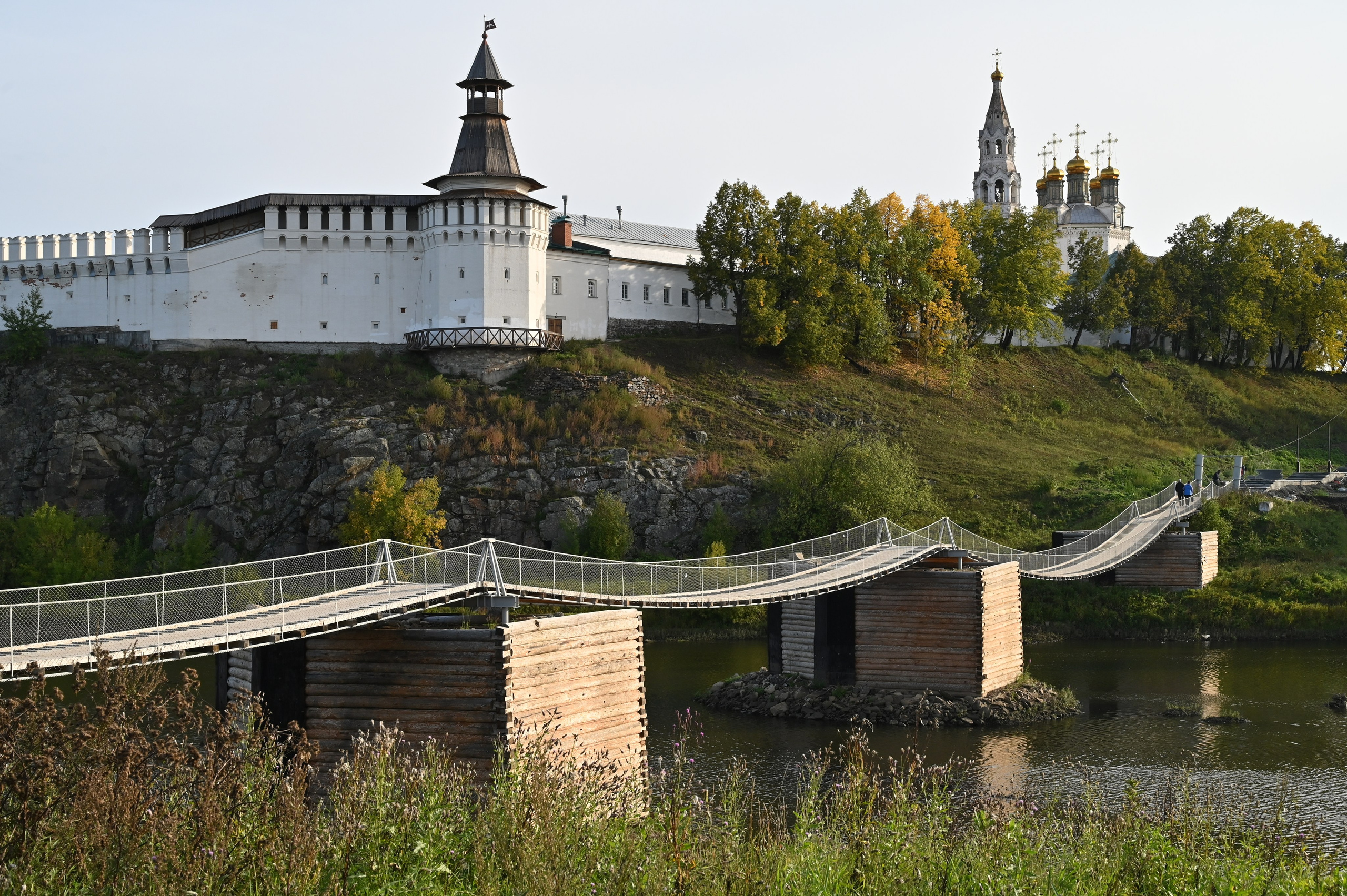
But time passed. Imperceptibly, through the harsh climate and the biting wind, I began to discern the beauty of this place. Austere, severe, stingy with ornament — yet deeply stirring. I suddenly understood that this land had changed me forever.
The Urals change everything: people, ways of thinking, your very perception of life. It cannot be otherwise — the range is too vast, too ancient. As old as life itself. Its beauty does not shout; it reveals itself only to those who have learned to look. Those who stop waiting for Volga expanses and begin to see the graphic line of a cliff face, the silver of lichen on stone, the bottomless depth of sky above the ridges.
I stopped being a guest. I became part of this land.
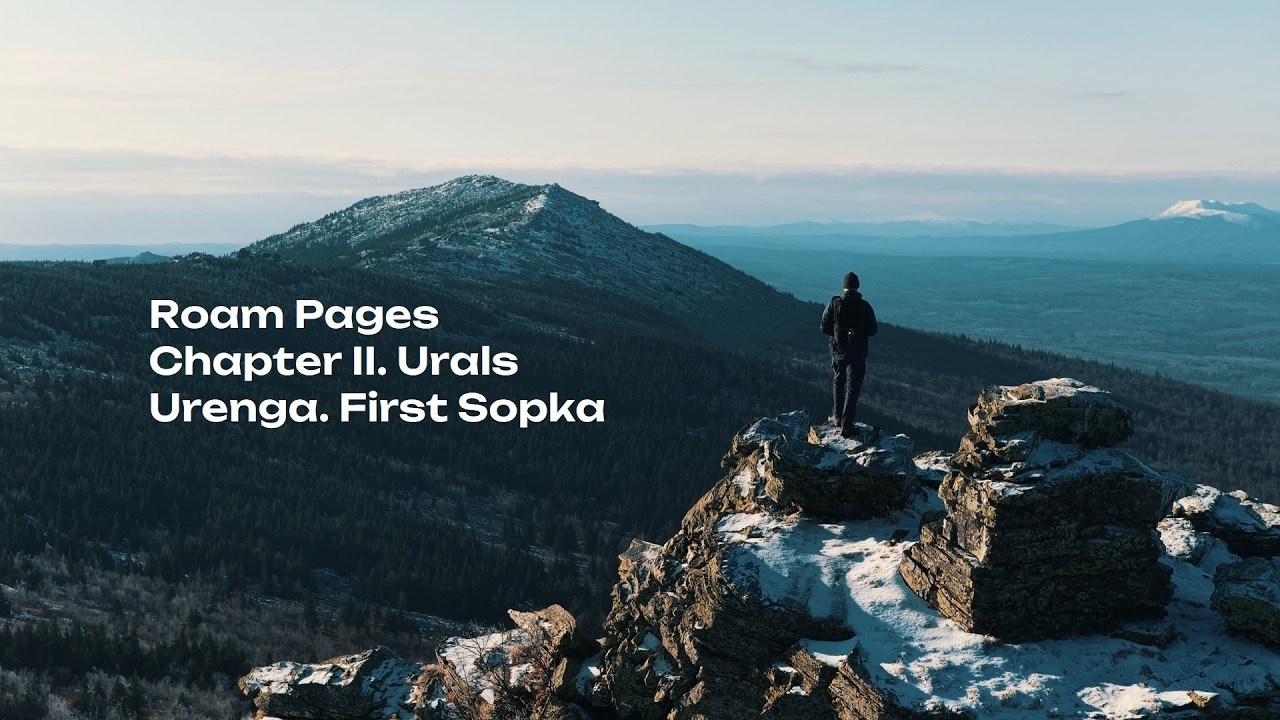
And now I want to show you the Urals as I have come to know them. Not the picture-postcard version, not the official one, but the real, breathing place. We are beginning a series of video sketches — an unhurried journey into hidden corners where you can hear the silence of the mountains and see how austerity turns into the highest form of beauty.
Welcome.
The Book


